
Economy/News
Venezuela's GDP rises 7.14% in second quarter of 2026 without lifting household purchasing power
The Central Bank of Venezuela reports 21 consecutive quarters of expansion led by oil, yet inflation and food costs keep real incomes severely constrained.
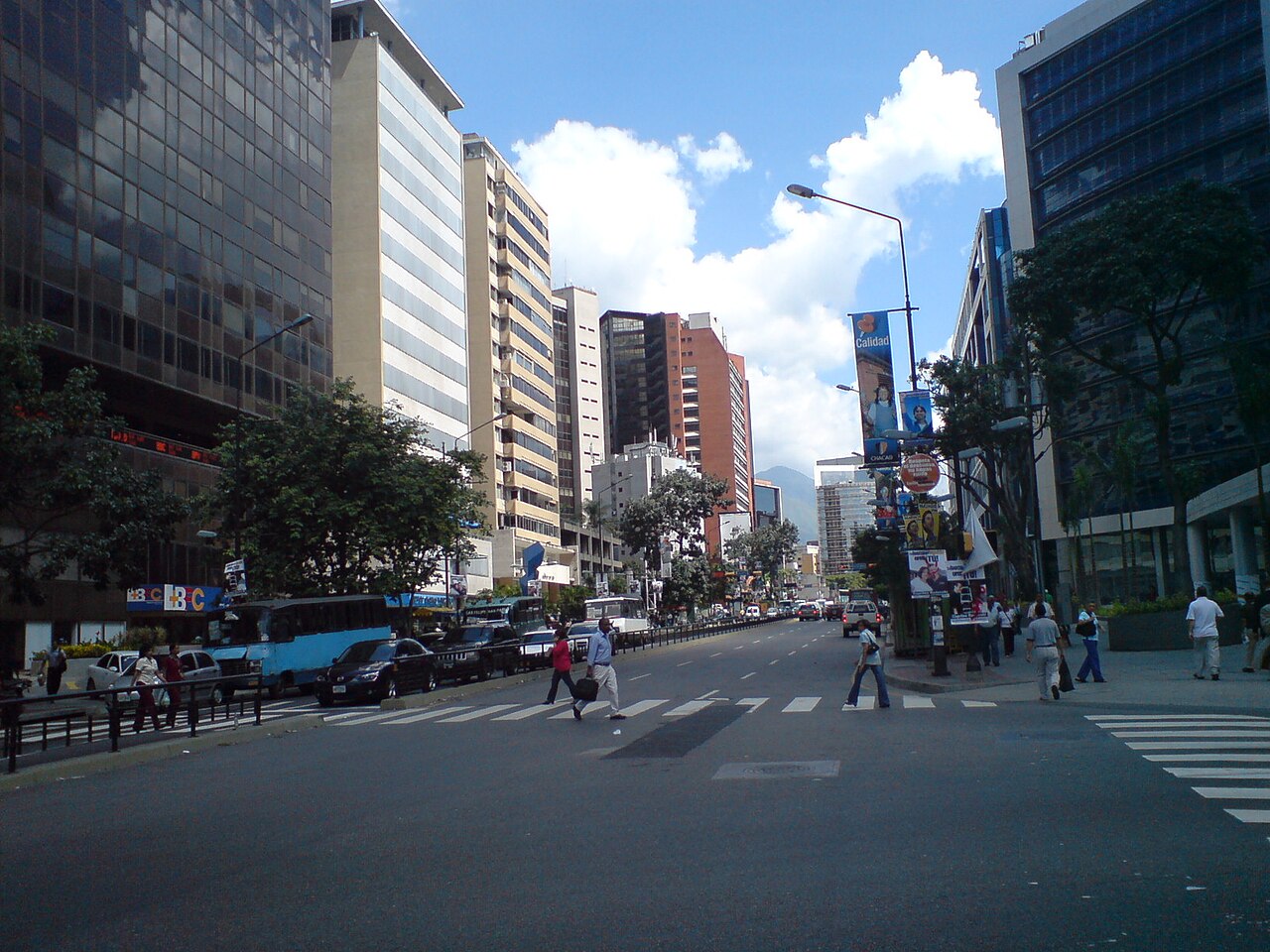
Venezuela's gross domestic product expanded by 7.14% in the second quarter of 2026 compared to the same period in 2025, according to official data released by the Central Bank of Venezuela. With this figure, the national economy logged 21 consecutive quarters of growth, following an annual expansion of 9.01% in 2025. Despite these sustained gains in aggregate national output, academic researchers and economic analysts emphasize that macroeconomic expansion remains detached from real household purchasing power.
Second-quarter economic performance was driven primarily by the oil industry, which advanced 9.1%, while non-oil activity rose 5.79%. Among the fastest-growing areas, financial services and insurance grew 26.26%, while construction rebounded 16.11%. Looking at full-year 2026 projections, both the Institute of Economic and Social Research at the Andrés Bello Catholic University and the United Nations Development Programme forecast an annual GDP expansion of 6.5%. The international agency's outlook accounts for an estimated 6.7 billion dollars in damage caused by a double earthquake in June.
Consumer purchasing power continues to lag far behind the cost of living. According to consulted sources, the research firm Datanálisis indicates that food purchases consume an average of 41.6% of family budgets across Venezuela, reaching more than 55% among lower-income households while dropping to roughly 25% in higher-income brackets. The Center for Social Analysis of the Venezuelan Teachers' Federation estimated the monthly food basket for July at 727.89 dollars. In contrast, the statutory baseline minimum wage remains frozen at 130 bolivars, worth roughly 16 cents of a dollar under the central bank's benchmark exchange rate of 871.3689 bolivars per dollar. While the state's comprehensive minimum income was placed at 240 dollars through non-wage bonuses, labor dissatisfaction remains widespread; the Venezuelan Observatory of Social Conflict documented 3,495 labor demonstrations during the first half of 2026.
In the private industrial sector, the Venezuelan Confederation of Industrialists reported that average monthly manufacturing compensation rose 16% between the second quarter of 2025 and the second quarter of 2026, climbing from 466 to 541 dollars. That adjustment was eroded by rapid price increases: central bank metrics showed year-on-year inflation reaching 544.1% by June and cumulative inflation reaching 225.3% through September. Earlier estimates by Ecoanalítica calculated the March minimum income at 190.3 dollars, covering less than 30% of standard food costs. Data from the consultancy Atenas Grupo Consultor also showed an average 19.2% increase in unit prices between January and July 2026, alongside a modest 5.8% rise in overall purchase volumes.
The Central Bank of Venezuela functions as the country's monetary authority, responsible for managing exchange-rate guidelines, compiling national economic accounts, and issuing official figures on GDP, price indexes, and currency performance. The Venezuelan Confederation of Industrialists acts as the national umbrella organization for private manufacturing firms, assessing industrial capacity, private employment patterns, and manufacturing wages across the country. The Institute of Economic and Social Research at the Andrés Bello Catholic University serves as an academic research center that publishes independent macroeconomic forecasts and structural studies regarding Venezuela's socio-economic conditions.
